
South Africa’s classic car industry is built on passion, craftsmanship, and long-term value. Classic vehicles are not depreciating assets or daily transport – they are cultural icons and investments. As the industry grows, owners are increasingly turning to specialist services to protect the true value of their vehicles.
South Africa’s classic car industry is thriving – quietly, deliberately, and driven by people who care deeply about preservation rather than convenience.
From immaculately restored vintage saloons to rare sports cars and iconic local models, classic cars occupy a unique space in the automotive world. They are not bought to be replaced, traded in, or driven into the ground. They are bought to be kept, maintained, and passed on.
This mindset is what defines the classic car industry, and why it operates so differently from the modern motor market.
More Than Cars: Rolling Pieces of History
Classic cars represent a specific moment in time. They showcase design philosophies, engineering techniques, and craftsmanship that are rarely seen today.
For many South African collectors and enthusiasts, classic cars are:
- Family heirlooms
- Long-term restoration projects
- Carefully curated collections
- Tangible investments
Each vehicle tells a story, and once lost or damaged, that story can’t simply be replaced.
A Growing and Maturing Industry
Over the past decade, South Africa has seen steady growth in classic car ownership. Enthusiast clubs, specialist workshops, valuation experts, and curated events have all contributed to a more mature and informed market.
Owners are investing significantly in:
- Authentic restorations
- Original or period-correct parts
- Secure storage facilities
- Professional valuations
As a result, classic cars are increasingly recognised not just as hobbies, but as assets with long-term value.
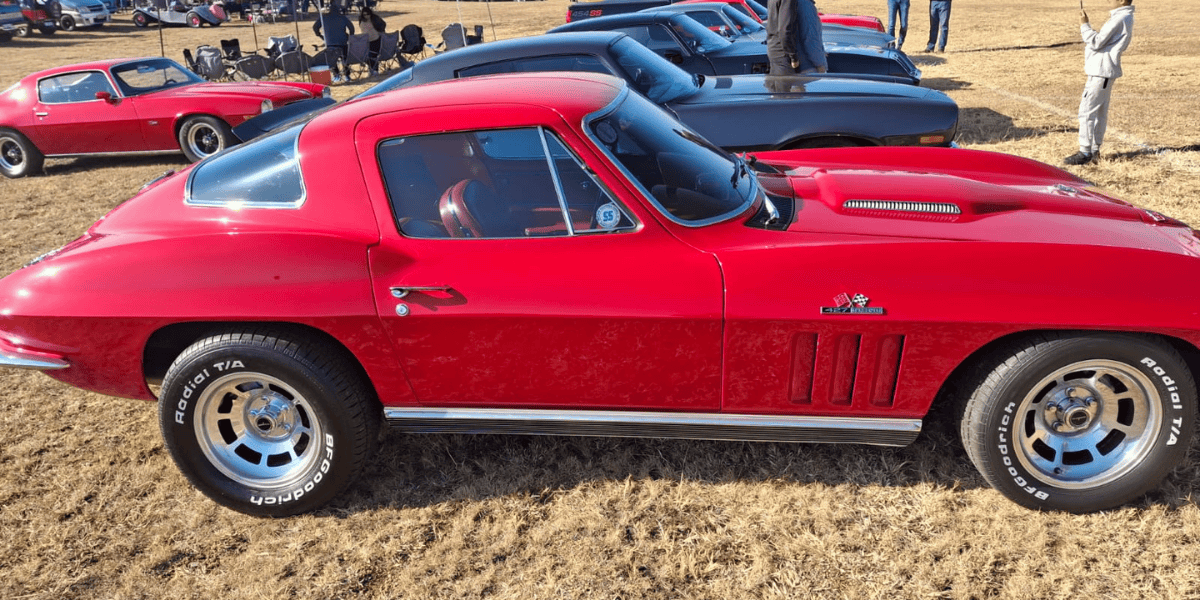
Why Classic Cars Don’t Behave Like Modern Cars
Unlike modern vehicles, classic cars do not follow predictable depreciation curves. Their value is influenced by:
- Rarity and originality
- Condition and restoration quality
- Provenance and history
- Global collector demand
A well-maintained classic car can hold its value — or even appreciate — over time. This is a key reason why classic car owners think differently about ownership, maintenance, and protection.
How Classic Cars Are Actually Used
Most classic cars in South Africa are not daily drivers. They are:
- Driven occasionally, often on weekends
- Stored securely for long periods
- Maintained proactively rather than reactively
This lower usage significantly reduces risk, yet many classic vehicles are still treated like everyday cars when it comes to ownership decisions and protection.
The Shift Toward Specialist Protection
As the classic car industry evolves, so does the way owners think about protecting their vehicles. There is a growing understanding that classic cars require specialist thinking, not one-size-fits-all solutions.
This includes recognising:
- The true value of the vehicle
- The cost and time involved in specialist repairs
- The importance of certainty if something goes wrong
Protecting a classic car isn’t about convenience – it’s about respect for the vehicle and what it represents.
Preserving the Future of the Past
South Africa’s classic car industry continues to grow because it is built on intention, patience, and passion. These vehicles are cared for, not consumed.
Understanding the industry is the first step in protecting it, and ensuring that these cars remain part of our roads, stories, and collections for generations to come.
FAQs: Classic Car Industry in South Africa
What is considered a classic car in South Africa?
Generally, vehicles that are 20–25 years or older, well maintained, and not used as daily transport are considered classic cars.
Is the classic car industry growing in South Africa?
Yes. Increased interest in restoration, collecting, and preservation has contributed to steady growth in the local classic car scene.
Are classic cars used regularly?
Most are driven occasionally and stored securely, which changes their risk and usage profile compared to modern vehicles.
Why do classic cars need specialist consideration?
Because their value, repair requirements, and usage differ significantly from standard vehicles.
Protect your classic today. Learn more about iTOO’s Classic Car Insurance brought to you by Affinitoo.


